↓
Ellen Vermeulen
Ellen Vermeulen (b. 1982) is a filmmaker, researcher, and teacher. Her work is characterised by a critical gaze and an in-depth exploration of social structures. With 9999 (2014), she made a documentary about internment in the Merksplas prison that was even screened at the European Court of Human Rights. For Catch-19to25 (2016) she filmed at the Reno refugee platform, inspired by Hannah Arendt’s "cog theory". Her film Inclusive (2018), about children with special educational needs attending mainstream schools, brings the same critical eye to institutional systems. In her documentary Une femme qui part (2024), Vermeulen focuses more than ever on an intimate and personal quest. She examines Marie-Louise Chapelle, the first French woman to climb an unclimbed mountain peak in the Himalayan mountains in 1952. In her recent experimental documentary Restless Stones (2026), Vermeulen returns, ten years after the urban warfare in Northern Kurdistan, to footage she shot herself in 2015. Through a fragmentary dissection of the iconography of violence, the film explores how conflict, martyrdom and memory continue to reverberate through lives and images.
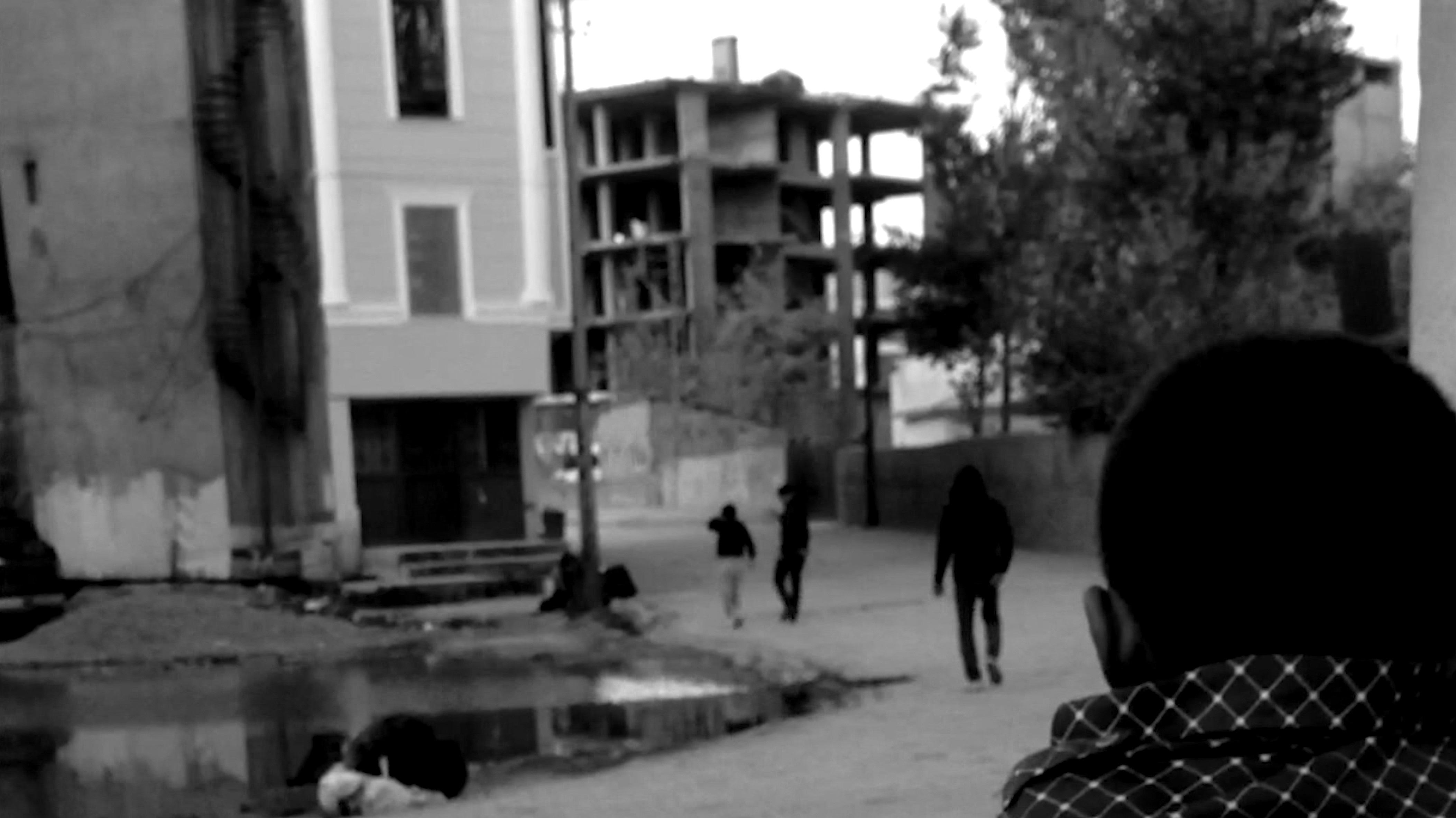
In October 2015, the Kurdish Workers’ Party (PKK) and insurgent youth declared autonomy in key cities of Northern Kurdistan, triggering brutal repression by the Turkish army. Ten years later, Restless Stones revisits raw footage of those moments, in a daunting attempt to make sense of the violence and its enduring trauma.
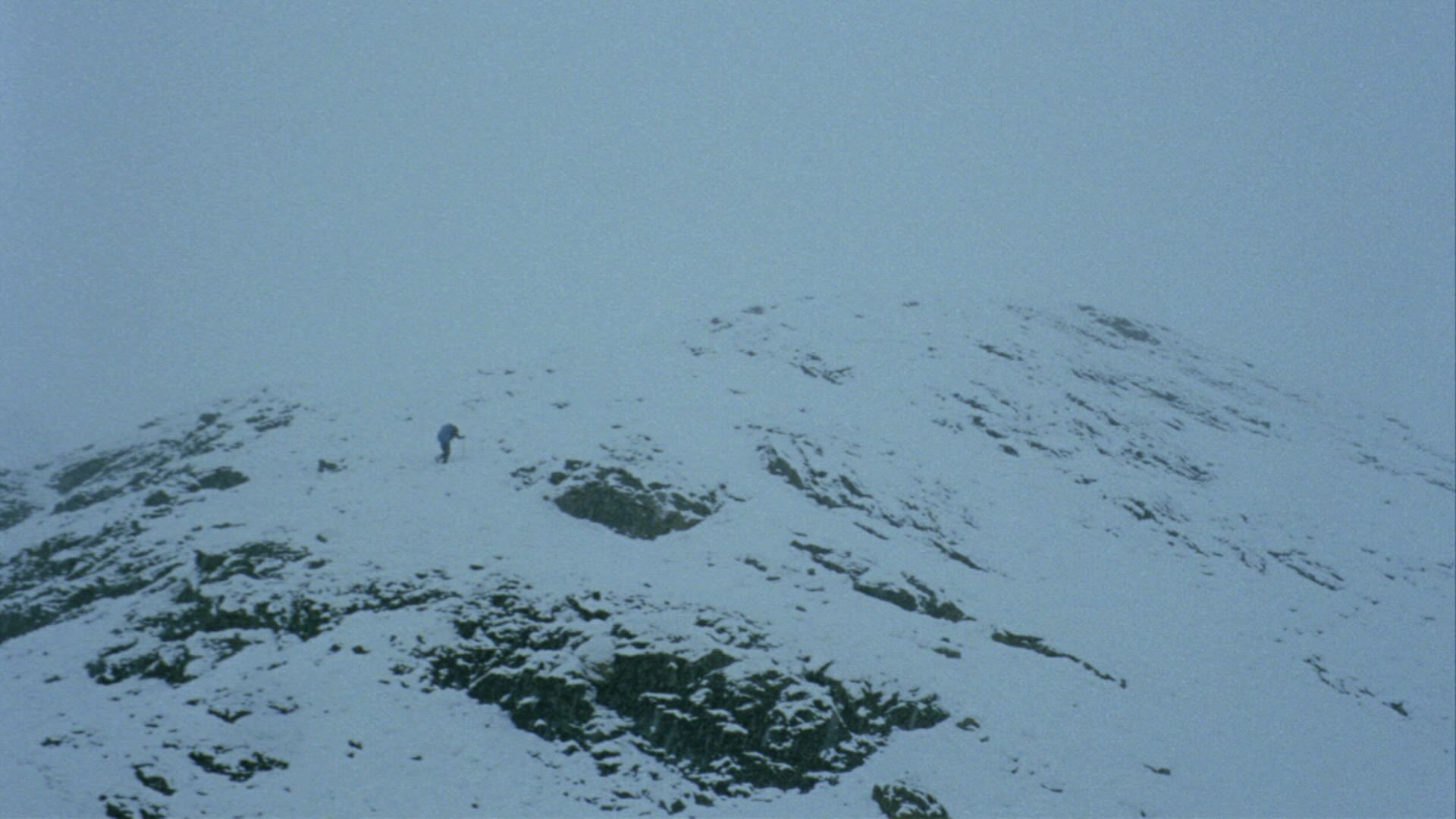
In 1952, Marie-Louise Chapelle was the first French woman to reach an unclimbed peak in the Himalayas. Years later, filmmaker Ellen Vermeulen follows in her footsteps. An intimate journey through snow landscapes in which personal ambitions, social constraints, and the complexity of being a woman take center stage.
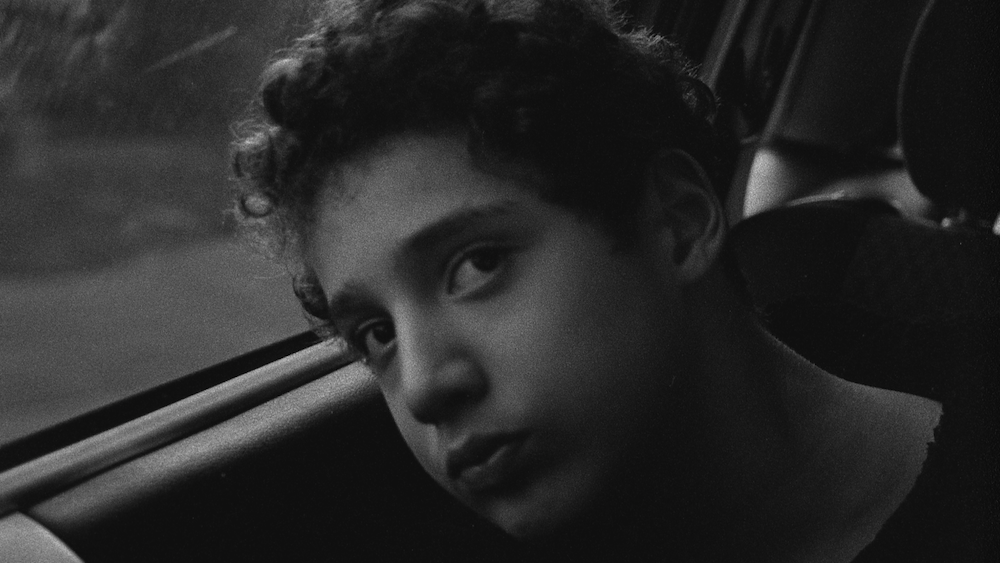
A carefully made film, offering an intimate insight into the lives of Rosie, Sami, Irakli, and Nathan, four children with different educational needs who are going to regular schools.